
Finishing your pelvic floor physical therapy program is a milestone worth celebrating. You have put in the work, learned new skills, and likely feel more in control of symptoms like incontinence, pelvic pain, or discomfort during intimacy. But once your regular visits end, it is natural to wonder what comes next.
At ITR Physical Therapy, we know this transition can bring new questions, and we want you to feel just as supported after treatment as you did during it.
Your Personalized Blueprint for Lasting Pelvic Health
Completing your sessions at ITR Physical Therapy is not an ending. It is the start of applying everything you have learned in daily life. Throughout your care, you received a plan built specifically around your body and goals, whether you were navigating postpartum recovery, managing endometriosis pain support, or working through prolapse or diastasis recti.
That plan typically includes:
- A home exercise routine designed to maintain strength and coordination
- Breathwork and diaphragmatic training to support pelvic floor function
- Posture and movement strategies for everyday activities
- Lifestyle guidance covering stress, sleep, and general wellness
These tools are meant to travel with you well beyond your last appointment.
Beyond the Clinic: Trusting Your Body’s Signals
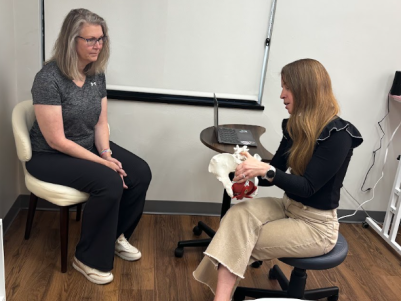
One of the most meaningful outcomes of pelvic floor physical therapy is a stronger connection to your own body. At ITR Physical Therapy, care is built around a whole-person approach, so you leave treatment understanding not just what your pelvic floor needs, but why.
This awareness matters long after therapy ends. You may notice small signals, like tension returning during a stressful week or discomfort after a change in activity. Recognizing these cues early allows you to respond proactively instead of waiting for symptoms to worsen.
When to Reach Out Again
It is common to need a check-in down the road. Life changes such as pregnancy, menopause, surgery, or simply a demanding season can affect your pelvic floor. Reaching back out is not a step backward. It is part of maintaining the progress you worked hard for.
Ongoing Tools That Support Long-Term Wellness
Many patients continue to benefit from the specialized techniques introduced during care. Depending on your needs, ongoing support may draw from the same evidence-based modalities used throughout your treatment, including:
- Manual therapy and myofascial release for persistent tension or restriction
- Dry needling for lingering muscular tightness
- Soft tissue mobilization to address areas of discomfort
- Therapeutic exercise progressions to build on your existing home program
- Breathwork and diaphragmatic training to reinforce pelvic floor coordination
These options allow you to stay connected to expert care in a way that fits your schedule and comfort level.
A Collaborative Approach to Your Future
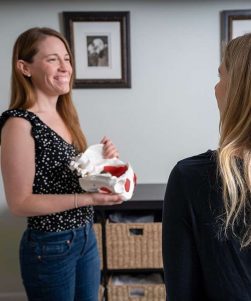
Pelvic health does not exist in isolation, and neither does your care. The team at ITR Physical Therapy understands that what you accomplished in therapy is best reinforced when your broader care team is aligned. Maintaining open communication with your OB/GYN or other providers helps ensure your progress continues to hold.
ITR Physical Therapy is proud to provide inclusive, individualized care for people of all genders, ages, and backgrounds. Whether you are in a prenatal, postpartum, or healthy aging stage of life, your continued wellness remains a priority.
Your Next Step Starts Here
Life after pelvic floor physical therapy in McLean should feel empowering, not uncertain. If you have questions about maintaining your progress, notice new symptoms, or simply want guidance on your next chapter, the team at ITR Physical Therapy is here for you.
Explore our pelvic health services or visit our blog for more resources. When you are ready, reach out to schedule a conversation with a specialized provider who knows your history and is invested in your long-term success.