
Pelvic health physical therapy is a specialized branch of physical therapy focused on the evaluation and treatment of the pelvic floor muscles, ligaments, and connective tissues. These structures support key functions such as bladder and bowel control, sexual health, and core stability. When these muscles become weakened, tight, or uncoordinated, they can contribute to a wide range of issues, from pelvic pain to incontinence.
Unlike general orthopedic therapy, pelvic health physical therapy requires advanced training and often involves more nuanced, internal and external manual techniques. The goal is not just symptom relief, but also the restoration of functional mobility, improved pelvic alignment, and better integration of the pelvic floor within the body’s movement system.
At ITR Physical Therapy in McLean, VA, our pelvic health specialists provide highly individualized care tailored to each patient’s diagnosis, life stage, and personal goals. Whether you’re recovering postpartum or dealing with chronic pelvic discomfort, our team is equipped to support your healing journey with compassion and clinical expertise.
Common Conditions Treated by Pelvic Health PT

Pelvic health physical therapy addresses a wide range of conditions that affect the pelvic floor and surrounding musculature. At ITR Physical Therapy, we frequently treat individuals dealing with pain, dysfunction, or weakness related to this core area of the body. These conditions can be caused by childbirth, surgery, trauma, aging, or chronic stress on the pelvic structures.
Some of the most common conditions we treat include:
- Pelvic Pain: This may present as a dull ache, sharp pain, or persistent discomfort in the lower abdomen, hips, tailbone, or genitals. It can stem from muscle tightness, nerve sensitivity, or organ dysfunction.
- Urinary Incontinence: Both stress and urge incontinence are treatable through pelvic floor muscle retraining, behavioral strategies, and bladder education.
- Fecal Incontinence: Weakness or coordination issues of the pelvic floor can also lead to bowel control challenges, which can be effectively managed with therapy.
- Pelvic Organ Prolapse: When pelvic organs such as the bladder, uterus, or rectum shift downward due to weakened support, therapy can help manage symptoms and improve pelvic floor integrity.
- Postpartum Recovery: Following childbirth, many individuals experience symptoms such as diastasis recti, perineal trauma, or pelvic floor weakness. Specialized therapy promotes healing and long-term recovery.
- Painful Intercourse (Dyspareunia): Often linked to muscle tension or scar tissue, this condition can improve with manual therapy, relaxation techniques, and pelvic floor retraining.
- Constipation and Abdominal Pressure: Functional bowel issues are commonly associated with poor pelvic floor coordination and can be addressed through targeted therapy and education.
By tailoring treatment to each person’s symptoms and goals, our therapists at ITR Physical Therapy provide a holistic approach that goes beyond symptom management — helping patients regain confidence and control in their daily lives.
Who Can Benefit From Pelvic Health Therapy?
Pelvic health physical therapy is often associated with postpartum care, but in reality, it benefits a wide range of individuals across various ages, genders, and life stages. At ITR Physical Therapy in McLean, VA, we work with patients who are navigating everything from early adulthood transitions to post-surgical recovery and age-related changes.
Women
Women are the most commonly referred group for pelvic health therapy due to the structural and hormonal changes that occur during pregnancy, childbirth, perimenopause, and menopause. Common issues like urinary leakage, prolapse, and pelvic pain can all be effectively managed with pelvic floor rehabilitation.
Men
Although less commonly discussed, men also experience pelvic floor dysfunction. Conditions like prostatitis (non-bacterial), post-prostatectomy incontinence, erectile dysfunction, and pelvic pain can significantly impact quality of life. Pelvic physical therapy provides a non-surgical, evidence-based solution.
Pregnant and Postpartum Individuals
Pregnancy places tremendous pressure on the pelvic floor, abdominal wall, and lower back. Therapy during and after pregnancy can support alignment, reduce pain, and improve postpartum recovery — even in the absence of complications. We commonly treat diastasis recti, scar tissue pain (e.g., from C-sections), and birth-related trauma.
Post-Surgical Patients
After surgeries involving the abdomen or pelvic region (such as hysterectomy, prostatectomy, or colorectal procedures), scar tissue and muscle compensation patterns can lead to pelvic floor dysfunction. Therapy supports healing, improves mobility, and reduces post-operative pain or restrictions.
Older Adults
Aging naturally affects muscle tone, coordination, and tissue elasticity. Pelvic therapy helps older adults manage conditions like incontinence, prolapse, and constipation — supporting independence and dignity.
Pelvic health is foundational to daily function, and when it’s not working optimally, the effects ripple into sleep, exercise, intimacy, and mental health. Regardless of your stage of life, pelvic health physical therapy can play a transformative role in restoring balance and comfort.
What to Expect During Your First Appointment
At ITR Physical Therapy, your initial pelvic health evaluation is designed to be informative, respectful, and tailored to your specific concerns. We understand that discussing pelvic symptoms can feel vulnerable, so we prioritize creating a comfortable, judgment-free space where you feel heard and supported.
Comprehensive Intake and History
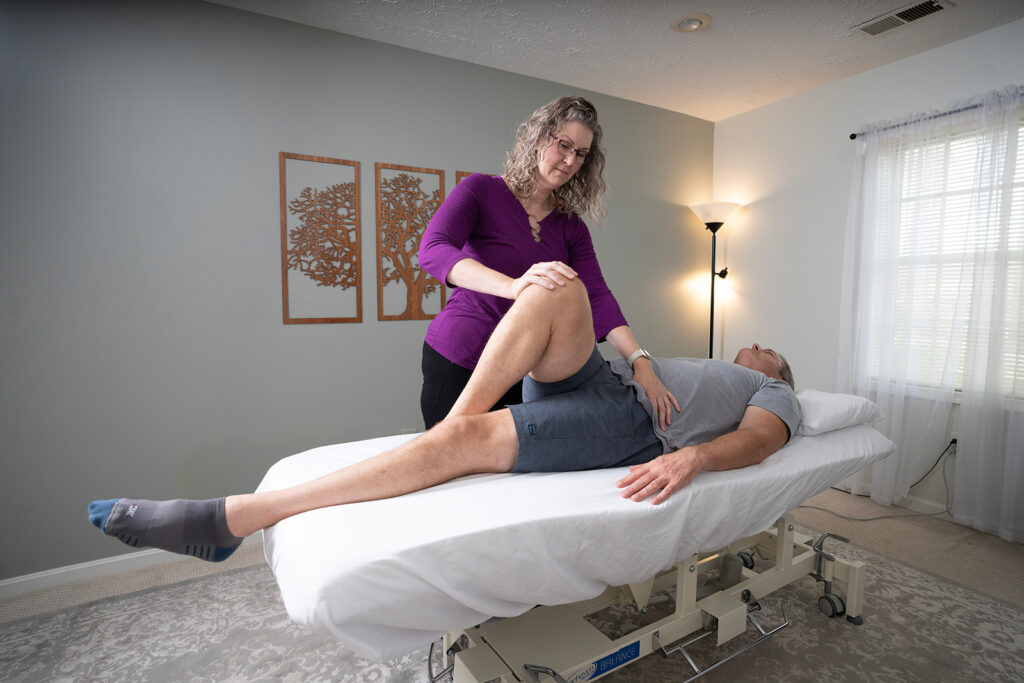
The visit begins with a detailed discussion about your symptoms, medical history, daily routines, and any relevant surgical or childbirth experiences. Your therapist will ask about bladder, bowel, and sexual function, as well as any pain or movement restrictions you may be experiencing. These questions help us understand the full context of your condition.
Movement and Postural Assessment
Next, your therapist will observe how you sit, stand, and move, including any compensatory patterns that may be affecting your pelvic health. They may assess your breathing mechanics, core engagement, hip mobility, and spinal alignment — all of which play an integral role in pelvic floor function.
Pelvic Floor Evaluation
With your consent, an internal pelvic floor muscle assessment may be recommended. This is a gentle and highly specialized examination that helps identify muscle tone, coordination, trigger points, and areas of weakness or pain. If you’re not ready for an internal exam, or if it’s not clinically indicated, the therapist will use external methods and modify the session accordingly.
Education and Goal Setting
Before concluding, your therapist will explain their findings and provide a clear, personalized treatment plan. You’ll discuss short- and long-term goals, home exercises (if appropriate), and what to expect from future sessions. You’ll leave with a better understanding of your body — and a realistic plan to start improving function and comfort.
Your first appointment is not just about assessment — it’s the start of a collaborative relationship with a provider who’s deeply invested in your health and well-being.
Treatment Techniques Used in Pelvic Health PT
Pelvic health physical therapy draws from a wide range of evidence-based techniques to address muscular imbalances, improve function, and relieve pain. At ITR Physical Therapy, we develop a customized plan based on each patient’s specific diagnosis, goals, and comfort level. Therapy is dynamic and evolves as your body responds to treatment.
Manual Therapy
Hands-on techniques are central to pelvic health care. Therapists may use internal or external manual therapy to release muscle tension, improve tissue mobility, and reduce trigger points. This can include myofascial release, scar tissue mobilization, and gentle stretching of the pelvic floor and surrounding muscles.
Neuromuscular Reeducation
This involves retraining the pelvic floor to contract and relax appropriately. Many patients struggle with overactive (tight) or underactive (weak) pelvic muscles — and sometimes both at once. Through targeted cues, biofeedback, and movement retraining, we help you build awareness and control.
Therapeutic Exercise
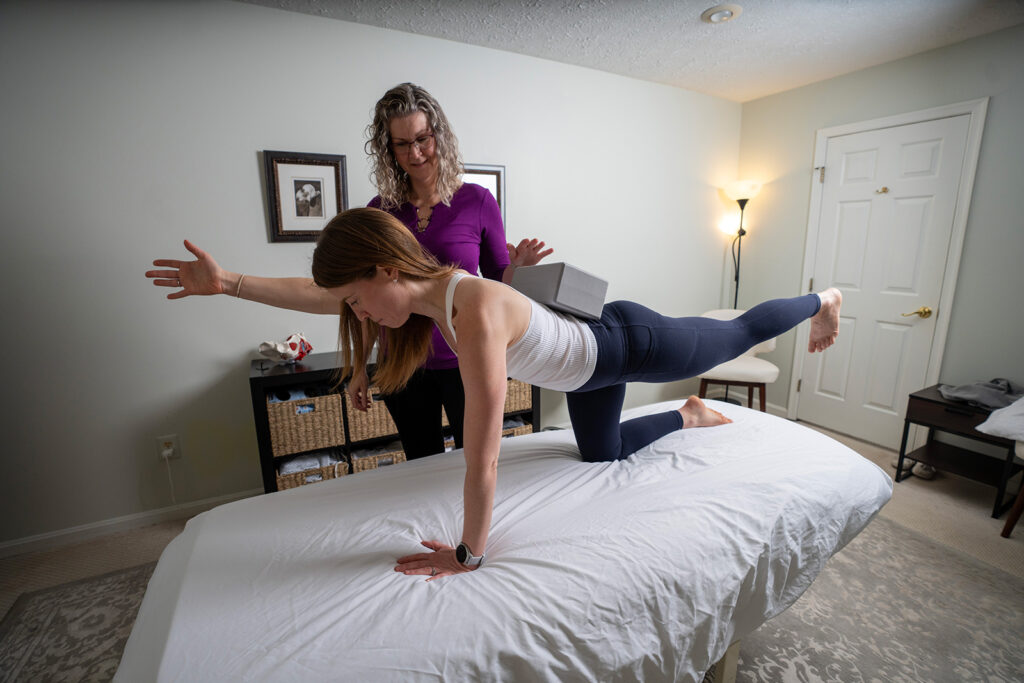
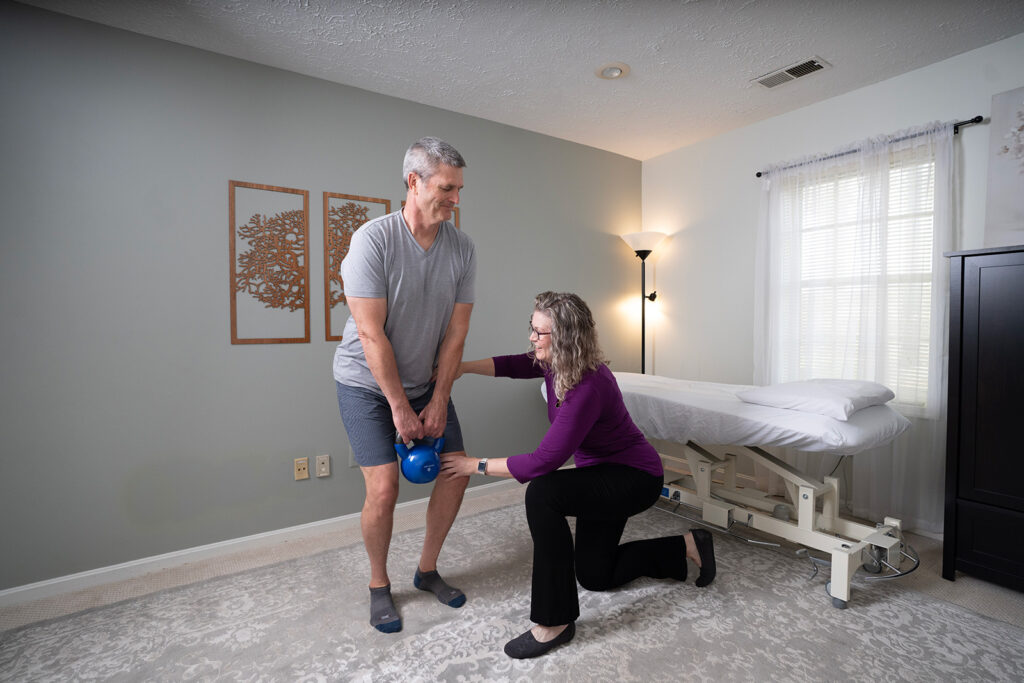
You may be guided through exercises to strengthen the pelvic floor, hips, core, and lower back. Unlike generalized fitness routines, these exercises are specifically chosen to support pelvic function and reduce symptoms without aggravating sensitive tissues. Postural training and breathing exercises are also commonly included.
Biofeedback
In some cases, we use non-invasive biofeedback tools to help patients visualize how their pelvic floor muscles are functioning. This technique helps identify patterns and improve control through real-time feedback and guided practice.
Patient Education and Behavior Strategies
Education is a core part of your recovery. Your therapist will explain how certain habits, postures, or lifestyle factors may be contributing to symptoms. You’ll receive guidance on bladder and bowel habits, fluid intake, ergonomic modifications, and self-care routines to reinforce your therapy.
Relaxation and Nervous System Support
Pelvic symptoms are often influenced by chronic stress or nervous system dysregulation. Techniques like diaphragmatic breathing, progressive relaxation, and mindfulness may be integrated into your care to promote a calm, healing environment both internally and externally.
At ITR Physical Therapy, our approach is rooted in respect for your body’s unique rhythms. We guide you step by step — empowering you to take an active role in your recovery with a supportive and knowledgeable team by your side.
Why Choose a Specialist Clinic Like ITR Physical Therapy?
When it comes to pelvic health, choosing the right provider makes a significant difference in both experience and outcomes. At ITR Physical Therapy in McLean, VA, we specialize in pelvic floor rehabilitation — and our clinic is built around the specific needs of individuals dealing with pelvic dysfunction.
Dedicated Pelvic Health Expertise
Unlike general physical therapy clinics that may offer pelvic health as an add-on service, our therapists have advanced training and years of focused experience in this field. This specialization ensures that you receive care grounded in the latest research, techniques, and clinical best practices.
Individualized, One-on-One Treatment
Every session at ITR is one-on-one — no handoffs, no rushed visits. This model allows us to take the time to listen, assess thoroughly, and adjust your treatment based on how you’re progressing. It’s a partnership, not a protocol.
Trauma-Informed and Compassionate Approach
We understand that pelvic floor symptoms often affect deeply personal aspects of life. Our therapists prioritize consent, privacy, and open communication to make sure you feel comfortable and supported throughout the process. You’ll never be pushed into a treatment you’re not ready for — your comfort and trust come first.
Whole-Body, Functional Focus
Pelvic health doesn’t exist in isolation. Our team looks beyond the pelvic floor to address alignment, breathing patterns, nervous system regulation, and how your entire body moves and functions. This integrated approach often leads to more sustainable and meaningful results.
Strong Community Reputation
With deep roots in the McLean and greater Northern Virginia area, ITR Physical Therapy has earned a reputation for excellence in pelvic health care. Many of our patients come to us through word of mouth, referrals from trusted providers, and repeat visits from individuals we’ve helped in the past.
Choosing a specialist clinic like ITR means putting your pelvic health in the hands of providers who not only understand the complexity of these issues — but who are genuinely committed to helping you thrive.
Frequently Asked Questions About Pelvic PT
Navigating pelvic health can bring up a lot of questions — especially if this is your first time hearing about pelvic floor physical therapy. At ITR Physical Therapy, we aim to create a welcoming environment where your questions are met with clear, compassionate answers. Below are some of the most common inquiries we receive.
Is pelvic floor therapy only for women?
Not at all. While women often seek care during pregnancy, postpartum, or menopause, pelvic floor dysfunction affects people of all genders. Men can experience pelvic pain, urinary or bowel issues, and post-prostatectomy challenges — all of which respond well to therapy.
What happens during an internal exam?
With your informed consent, a therapist may gently assess your pelvic floor muscles internally to check for tension, strength, and coordination. The exam is done in a private, respectful manner and is never performed without clear communication and your full comfort.
Is pelvic floor therapy painful?
Most patients report that therapy is gentle and relieving, not painful. Some techniques may cause mild discomfort, especially when addressing tight or sensitive areas, but your therapist will always work within your tolerance level.
How long will I need therapy?
The length of treatment varies based on your condition, goals, and how your body responds. Some patients see improvements in a few sessions, while others benefit from ongoing care over several months. Your therapist will re-evaluate regularly and adjust your plan as needed.
Can I do pelvic floor therapy if I’m pregnant?
Absolutely. In fact, therapy during pregnancy can help reduce pain, improve alignment, and support smoother delivery and recovery. All treatment is safely modified for each trimester to ensure maternal and fetal well-being.
Understanding the “why” behind your symptoms can be empowering — and pelvic health therapy offers the tools to take back control. If you have questions beyond those listed here, our team at ITR Physical Therapy is always happy to provide answers.
How Pelvic Health Physical Therapy Supports Long-Term Wellness
Pelvic health therapy is not just a short-term fix for isolated symptoms — it’s a long-term investment in your physical, emotional, and functional well-being. At ITR Physical Therapy, we focus on more than symptom relief; we help patients build a foundation for lifelong pelvic health.
Improved Core Stability and Function
The pelvic floor is a key component of your body’s core system. When it works in harmony with the diaphragm, deep abdominals, and back muscles, you gain better posture, stability, and movement efficiency. This supports everything from lifting your kids to running without discomfort.
Better Bladder and Bowel Control
Conditions like urgency, leakage, and constipation don’t have to be part of your “new normal.” With proper muscle coordination and education, pelvic therapy helps retrain your body to respond more predictably and effectively — improving daily life and confidence.
Sexual Health and Comfort
Pain during intercourse, diminished sensation, and other intimacy concerns can stem from pelvic floor dysfunction. Therapy addresses physical and neurological contributors to these issues, enhancing sexual wellness and restoring comfort and connection.
Mental and Emotional Relief
Pelvic symptoms often carry emotional weight — especially when they impact privacy, relationships, or daily freedom. As patients begin to heal physically, they often report feeling less anxious, more empowered, and better able to enjoy life again.
Preventive Health and Aging Support
Even if you’re not experiencing acute symptoms, pelvic physical therapy can serve as a preventive measure. Strengthening and maintaining pelvic floor function as you age helps reduce your risk of prolapse, incontinence, and mobility limitations — especially during menopause or after surgery.
Our approach at ITR Physical Therapy extends beyond the treatment table. We aim to equip you with knowledge, habits, and strategies that carry you forward — so you can move, live, and thrive with confidence in every stage of life.
Patient Success Stories From ITR Physical Therapy
While clinical expertise and evidence-based care are essential, it’s often the personal experiences that best illustrate the power of pelvic health physical therapy. At ITR Physical Therapy, we’ve had the privilege of helping countless individuals regain function, comfort, and confidence — often after months or even years of persistent symptoms.
Postpartum Healing and Confidence
One of our patients, a first-time mother in her early 30s, came to us six weeks postpartum struggling with pelvic pain and leakage during exercise. After just a few weeks of targeted therapy, including breathing retraining and core integration, she was able to return to running and lifting without symptoms — and with a greater understanding of how to support her pelvic floor long-term.
Overcoming Chronic Pelvic Pain
A male patient in his 50s came to ITR after multiple specialist visits for persistent pelvic pain that had not responded to medication. Through internal manual therapy, postural retraining, and nervous system regulation techniques, his pain significantly decreased. More importantly, he reported improved sleep, reduced anxiety, and the ability to resume daily activities with ease.
Managing Prolapse Without Surgery
A woman in her 60s presented with a diagnosis of mild pelvic organ prolapse and was hoping to avoid surgery. Through a customized program including pelvic floor strengthening, posture alignment, and lifestyle modifications, she was able to manage her symptoms effectively. She now walks several miles a day and reports feeling strong and supported.
These stories are just a glimpse of the outcomes possible when pelvic health therapy is personalized and compassionate. Every person’s journey is different — and at ITR Physical Therapy, we’re honored to walk alongside each one.
Note: Patient details have been generalized or anonymized to protect privacy.
Getting Started With Pelvic Health Physical Therapy in McLean, VA
If you’re experiencing pelvic discomfort, bladder or bowel issues, postpartum changes, or simply want to better understand your body, pelvic health physical therapy can make a profound difference. At ITR Physical Therapy, we’re here to help you take the first step toward healing — with knowledge, respect, and expert care.
What You Can Expect
When you reach out to our clinic, we’ll guide you through scheduling your first appointment and answer any questions you may have about the process. Our friendly front desk team can help verify your benefits and explain what to bring to your initial visit. Whether you’re referred by a physician or seeking therapy independently, you’re welcome here.
We invite you to learn more about our team of specialists and how we approach pelvic health care differently — with compassion, education, and a deep commitment to your wellness.
Don’t wait for symptoms to worsen or become your “new normal.” With the right support, healing is absolutely possible — and it starts here at ITR Physical Therapy.