
When it comes to pelvic health, breathing is more than just a background function—it’s a foundational tool for healing. The diaphragm, your primary breathing muscle, sits just above the pelvic floor, and the two work together as part of your core system. With every inhale and exhale, they coordinate to regulate pressure in the abdomen, support movement, and stabilize the spine.
In a healthy system, the diaphragm and pelvic floor move in harmony. As you inhale, the diaphragm moves downward, and the pelvic floor lengthens slightly. On exhale, the diaphragm lifts and the pelvic floor gently contracts. However, when breathing patterns are shallow, strained, or chest-dominant, this rhythm is disrupted. The result? Increased tension in the pelvic floor, poor pressure regulation, and difficulty engaging core muscles effectively.
READ: Hysterectomy Recovery: How Pelvic Physical Therapy Can Help
For individuals experiencing pelvic pain, incontinence, or postural issues, retraining the breath is often one of the first steps in physical therapy. At ITR Physical Therapy, therapists help patients reconnect to their natural breathing pattern—unlocking a more relaxed, coordinated relationship between the diaphragm and pelvic floor. It’s a subtle but powerful shift that lays the groundwork for deeper recovery.
Why Core Strength Matters in Pelvic Health Recovery
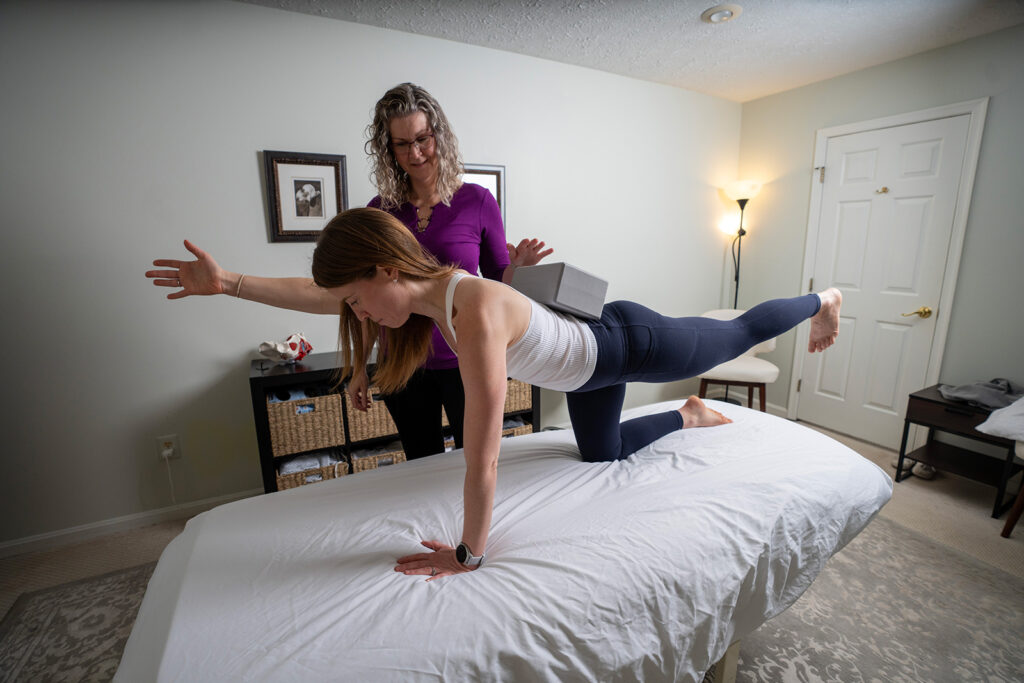
When people hear “core,” they often think of abs—but the true core is much more than that. It’s a deep, coordinated system made up of the diaphragm, pelvic floor, transverse abdominis (deep abdominal muscle), and multifidus (spinal stabilizer). These muscles work together to support your spine, control intra-abdominal pressure, and maintain posture.
In pelvic health, this system is essential. If one part isn’t functioning well—such as a weak or overactive pelvic floor, poor diaphragmatic breathing, or lack of deep core engagement—it can disrupt the entire balance of the system. This imbalance often shows up as symptoms like leaking during exercise, pelvic heaviness, low back pain, or difficulty holding in gas or urine.
During pelvic health rehab, rebuilding core coordination is not about doing planks or crunches. It starts with reconnecting to the deep core—learning how to activate the transverse abdominis and pelvic floor together, while maintaining a relaxed breath. This helps re-establish strength from the inside out.
At ITR Physical Therapy, core retraining is a fundamental part of the healing process. Therapists guide patients through exercises that restore this connection without creating strain, gradually building endurance and control over time. Whether you’re returning from childbirth, managing chronic pelvic pain, or recovering from surgery, a strong, balanced core is key to long-term pelvic health.
READ: Understanding Ovulation Pain: When to Seek Help
How Physical Therapists at ITR Integrate Breath and Core Work
At ITR Physical Therapy, breath and core training isn’t an afterthought—it’s a central part of every pelvic health rehabilitation plan. The therapists take an individualized approach, tailoring each session to the patient’s symptoms, goals, and level of body awareness.
The process often begins with education. Many patients have never been taught how to breathe or activate their core in a way that supports their pelvic floor. Through gentle, guided instruction, therapists help patients identify dysfunctional patterns—like breath-holding, upper chest breathing, or bearing down—and replace them with more functional strategies.
Sessions might include simple breathing drills, such as 360-degree diaphragmatic breathing, which encourages expansion through the ribs and belly. Patients are also guided through movements that integrate breath with core engagement—like pelvic tilts, supported squats, or exercises performed on a yoga ball. These movements are designed to reinforce coordination and control without creating excessive pressure on the pelvic floor.
Importantly, progressions are made gradually and thoughtfully. For someone with pelvic pain, the focus might be on reducing muscle tension and restoring breath awareness. For a postpartum patient, core activation may be slowly layered into functional movements like lifting or carrying.
No matter where a patient is starting from, ITR’s therapists create a supportive environment where breath and core work become tools for healing—not sources of stress. It’s this thoughtful, personalized care that makes the difference in long-term outcomes.
Real Benefits of Breathing and Core Work in Rehab
While breathing and core exercises may seem simple on the surface, they create powerful changes that ripple throughout the body. For individuals in pelvic health rehabilitation, these foundational tools often produce some of the most meaningful improvements in both function and quality of life.
One of the key benefits is pain reduction. When the diaphragm and pelvic floor move in sync, tension in the pelvic region decreases. This helps calm overactive muscles, reduce pressure on sensitive tissues, and relieve discomfort associated with conditions like pelvic pain, prolapse, or tightness after childbirth or surgery.
Breath and core work also improves continence control. Proper coordination between the core and pelvic floor allows for better management of intra-abdominal pressure—essential for preventing leakage during activities like sneezing, lifting, or running. Patients often report greater confidence and less anxiety around everyday movements.
Another benefit is improved posture and body awareness. As the core becomes stronger and more responsive, patients often feel more grounded and aligned. This can reduce strain on the back, hips, and pelvis and lead to better movement habits overall.
Finally, breath work supports the nervous system. Deep, diaphragmatic breathing stimulates the parasympathetic response—your body’s natural relaxation system. This not only helps with stress and emotional regulation but also enhances the body’s ability to heal, especially in cases of chronic pain or trauma.
In short, integrating breathing and core exercises into pelvic health rehab creates a more stable, resilient, and responsive system—one that supports recovery today and well-being long into the future.
READ: Pudendal Nerve Pain: Causes, Symptoms, and Treatment Options
Supporting Your Recovery with Holistic Services at ITR
Pelvic health recovery doesn’t happen in isolation. At ITR Physical Therapy, healing is approached through a whole-person lens—one that recognizes how physical, emotional, and nervous system health all influence pelvic function. That’s why breath and core retraining are often paired with supportive, integrative therapies to create a more complete and sustainable path to recovery.
For example, manual therapy can be used alongside breath work to release myofascial restrictions or muscular tension in the pelvic floor, abdomen, or hips. These hands-on techniques help improve tissue mobility and allow for better engagement of the core system.
Yoga therapy is another powerful complement. Therapeutic yoga sessions at ITR focus on breath-guided movement, body awareness, and mindful alignment—all of which reinforce the goals of pelvic health rehab. Patients learn how to move with intention and control, both during therapy and in their everyday lives.
In addition, ITR offers mind-body coaching to support the emotional side of healing. Chronic pelvic symptoms often carry emotional weight—anxiety, frustration, or fear. Coaching sessions help patients process their experiences, set goals, and develop tools for self-regulation and resilience.
Whether you’re working through physical pain, rebuilding strength after childbirth, or managing long-term pelvic floor dysfunction, these services provide ongoing support that extends beyond the clinic. At ITR, healing is more than symptom relief—it’s about restoring connection, confidence, and control in your own body.
Start Rebuilding from the Core with ITR
Pelvic health recovery starts with awareness—and grows through consistent, supportive care. If you’re dealing with symptoms like pelvic pain, leaking, pressure, or postural imbalance, breath and core exercises may be the key to restoring your body’s natural strength and function.
At ITR Physical Therapy in McLean, VA, you’ll find a team of skilled and compassionate therapists who understand how to guide you through every step of this process. From rebuilding your core system to supporting your emotional well-being, ITR offers a holistic approach that respects your pace and goals.
Ready to reconnect with your body and move forward with confidence? Visit the Pelvic Health page to learn more about how ITR can help. Or schedule your first appointment through the Contact Page.
Explore additional services like Yoga Therapy, Manual Therapy, or Mind-Body Coaching to support your recovery journey from every angle.