
something as personal as pelvic health. If you have been told that surgery is your only option for pelvic organ prolapse, incontinence, diastasis recti, or chronic pelvic pain, you may be feeling scared, confused, or simply unheard. You are not alone, and more importantly, surgery may not be your only path forward.
At ITR Physical Therapy in Bethesda, MD, we specialize in pelvic floor health. Many people in the DC Metro area come to us after feeling dismissed by previous providers, only to discover that a specialized, non-surgical approach can meaningfully improve their symptoms. Before you make a decision about surgery, it is worth understanding how pelvic floor physical therapy can help.
Pelvic Floor Physical Therapy: A Non-Surgical Path for Common Conditions
Pelvic floor physical therapy is often an effective first-line treatment for conditions that are sometimes fast-tracked toward surgical discussion. Addressing the underlying muscular and functional causes of your symptoms can reduce or resolve discomfort without an operation.
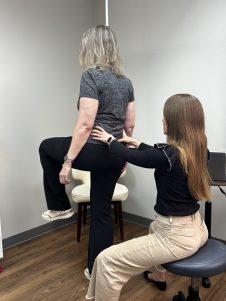
Addressing Pelvic Organ Prolapse
Prolapse occurs when pelvic organs shift due to weakened support structures. Targeted therapeutic exercise and neuromuscular re-education can strengthen the muscles that support your pelvic organs. Posture and body mechanics coaching also helps reduce the daily strain that worsens symptoms over time.
Overcoming Incontinence and Bladder Issues
Whether you experience stress or urge incontinence, pelvic floor muscles often need to be retrained rather than simply strengthened. Techniques like neuromuscular re-education and electrical stimulation (TENS/NMES) can help restore proper muscle coordination and bladder control.
Healing Diastasis Recti
Diastasis recti, common after pregnancy, involves separation of the abdominal muscles. Breathwork and diaphragmatic training, combined with progressive therapeutic exercise, can help restore core integrity and function over time.
Finding Relief from Pelvic Pain and Painful Intercourse
Chronic pelvic pain, painful intercourse, and endometriosis-related pain often stem from tight or dysfunctional pelvic floor muscles. Manual therapy, myofascial release, and trigger point therapy can release tension in these tissues, offering meaningful relief without surgical intervention.
Our Specialized Approach: Targeting Root Causes, Not Just Symptoms
At ITR Physical Therapy, we look beyond your symptoms to understand what is truly driving your discomfort. Our treatment approach draws on a range of evidence-informed modalities tailored to your specific needs.
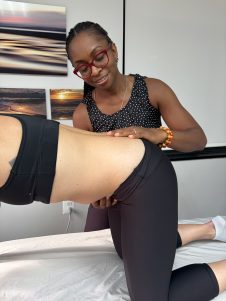
Hands-On Manual Therapy
Our therapists use myofascial release, soft tissue mobilization, and trigger point therapy to reduce tension and restore mobility in affected tissues. Cupping and dry needling may also be incorporated when appropriate to support tissue recovery.
Pelvic Floor Internal Techniques
When appropriate, internal assessment and treatment allow us to directly address pelvic floor muscle function. This level of specificity is something external treatment alone cannot achieve and is often essential for accurate diagnosis and effective care.
Therapeutic Exercise and Neuromuscular Re-Education
We design individualized exercise programs to strengthen, relax, or retrain your pelvic floor muscles, improving coordination and restoring healthy movement patterns. Balance and proprioception training may also be integrated to support whole-body function.
Breathwork and a Whole-Body Perspective
Diaphragmatic breathwork supports core stability and reduces the stress response that can worsen pelvic floor dysfunction. This reflects our whole-body approach to care, where no single structure is treated in isolation.
When Surgery Is Still Necessary: The Role of Physical Therapy Before and After
For some structural conditions, surgery may ultimately be the right decision. Even then, pelvic floor physical therapy plays a valuable role in your overall care.
Preparing Your Body Before Surgery
Prehabilitation through therapeutic exercise and manual therapy can improve muscle strength and body awareness. This preparation may support a smoother surgical outcome and a more efficient recovery.
Supporting Recovery After Surgery
Post-surgical rehabilitation helps manage pain, restore function, and support long-term success through guided, progressive care. Returning to daily activities with confidence is a central goal of this phase.
Why People in Bethesda Choose ITR Physical Therapy
ITR Physical Therapy has focused exclusively on pelvic health for over 20 years, treating conditions including pelvic pain, incontinence, painful intercourse, diastasis recti, prolapse, and endometriosis-related pain. Every session is one-on-one and private, so you are never rushed through a generic program. Our approach is calm, judgment-free, and centered entirely on you.
Take the First Step Toward a Non-Surgical Solution
You deserve to feel heard, understood, and supported in your pelvic health journey. Before committing to surgery, consider exploring what specialized pelvic floor physical therapy can do for you.
Reach out to ITR Physical Therapy in Bethesda, MD, to schedule a private consultation with a specialist who will listen to your story and help you understand your options.