
If you are a runner, you know the feeling of finally hitting your stride, the rhythm of your breath matching your feet on the pavement. But if you also deal with leaking, pelvic pressure, groin pain, or discomfort that lingers long after your run ends, that rhythm gets interrupted by worry. You may have been told these symptoms are just “part of running” or “normal after having a baby.” They are not, and you deserve real answers.
Many dedicated runners in Leesburg push through discomfort because they assume it is simply the cost of doing the sport they love. Leaking during a long run, a heavy or dragging sensation in the pelvis, or pelvic pain after a hard workout are not badges of honor. These are signals that something deeper is going on, and they deserve real attention rather than dismissal.
Is Your Run Causing More Than Just Muscle Soreness?
Symptoms like incontinence, pelvic pressure, groin pain, or persistent diastasis recti in postpartum runners can quietly chip away at your confidence and your love of running. Left unaddressed, they tend to worsen over time, especially as mileage increases.
Understanding why these symptoms appear, and what they are connected to, is the first step toward running without limitation.
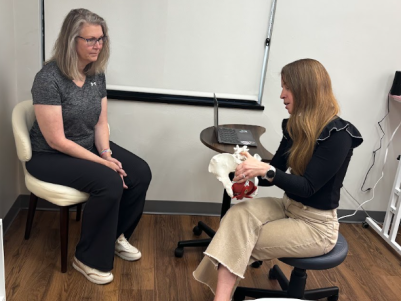
When General Physical Therapy Is Not Enough
General orthopedic physical therapy is valuable for many running injuries, from IT band syndrome to shin splints. But it often does not explore the deep connection between running mechanics, core stability, and the pelvic floor. A traditional approach may focus on the hip or knee joint while missing a root cause that lives lower in the body.
Symptoms like leaking or pelvic pressure require a specific kind of assessment and treatment. If your provider has not been trained to evaluate the pelvic floor directly, important pieces of your recovery may be overlooked.
Understanding the Pelvic Floor’s Role in Running
Your pelvic floor muscles work in coordination with your core every time your foot strikes the ground. Running is a high-impact activity, and repetitive forces can lead to weakness, tightness, or poor muscle coordination, particularly after pregnancy and childbirth.
Common symptoms connected to pelvic floor dysfunction in runners include:
- Urinary leaking or incontinence during or after runs
- Pelvic pain or a feeling of heaviness and pressure
- Groin or hip pain that does not resolve with rest
- Painful intercourse following exercise
- Persistent diastasis recti in postpartum runners
- Low back pain or sciatica that accompanies your training
None of these symptoms are inevitable, and none of them should be accepted as permanent.
How Specialized Pelvic Floor Physical Therapy Addresses These Symptoms
At ITR Physical Therapy, pelvic health is the exclusive focus. That means every clinician you work with has deep, specialized expertise in evaluating and treating the conditions that affect runners from the inside out.
Care at ITR Physical Therapy is built around a whole-person approach. Rather than treating a single symptom in isolation, your therapist considers posture, breathing mechanics, movement patterns, stress, and lifestyle alongside your physical presentation. This matters for runners because the body does not perform in isolated parts.
Conditions Treated at ITR Physical Therapy
ITR Physical Therapy treats a wide range of conditions that commonly affect runners, including:
- Pelvic pain and pelvic pressure
- Urinary incontinence
- Painful intercourse
- Diastasis recti
- Prolapse
- Endometriosis pain support
- Low back pain and sciatica
- Hip pain and groin pain
Explore the full scope of care available on the pelvic health services page.
Treatments and Modalities Used
Your care plan is individualized based on a thorough evaluation. Treatment options at ITR Physical Therapy include:
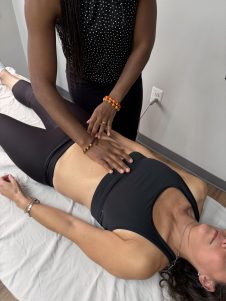
- Manual therapy and soft tissue mobilization
- Myofascial release
- Dry needling
- Breathwork and diaphragmatic training
- Pelvic floor internal techniques
- Therapeutic exercise tailored to your running goals
Every visit is a full 60 minutes of one-on-one time with your therapist in a private, judgment-free setting.
Support Across Every Stage of Your Running Life
Your body changes across different life stages, and your care should reflect that. ITR Physical Therapy supports runners through prenatal preparation, postpartum recovery, menopause, and healthy aging, so your treatment evolves alongside you.
Postpartum runners, in particular, often return to running before their pelvic floor has fully recovered from the demands of pregnancy and delivery. Specialized support during this window can make a significant difference in long-term outcomes and injury prevention.
Your Path to Pain-Free Running in Leesburg, VA
You do not have to accept discomfort as the price of running. With the right guidance, many runners find meaningful relief, rebuild functional strength, and return to the sport they love with confidence.
ITR Physical Therapy collaborates with OB/GYNs, surgeons, and mental health counselors to ensure your care is comprehensive. The practice welcomes patients of all genders, ages, and backgrounds. Learn more about the team and their approach on the About Us page, or visit the blog for additional resources.
If pelvic floor symptoms have been holding you back from the miles you love, ITR Physical Therapy in Leesburg, VA is here to help. Schedule a complimentary 15-minute discovery call today to discuss your symptoms and learn how specialized, compassionate care can support your running goals. Visit the ITR Physical Therapy homepage to get started.